

From Kids’ Curiosity to National Transparency: Exploring the Many Sides of Digital Development
From digital awareness among children to national transparency platforms, working in technology and civil society means exploring different challenges, connecting ideas, and finding new ways to make technology work for people.
When I started working at the Libyan Technology Foundation (LTF), I knew I was joining a civil society organization working to advance technology in Libya. What I didn’t fully anticipate was how many different dimensions of digital development I would get to explore.
One day, I might be developing policies, writing SOPs, or reviewing annual plans. Another day, I could be working with children discovering the possibilities of technology for the first time. And sometimes, I find myself behind my laptop, headphones on, analyzing requirements, structuring data, and thinking through how a national transparency platform should work.
At first glance, these activities might seem unrelated. But the more I work across them, the more I recognize the connections between them.
They all begin with understanding a need and asking a simple question: how can we make things work better?
Where digital awareness begins: A child’s curiosity
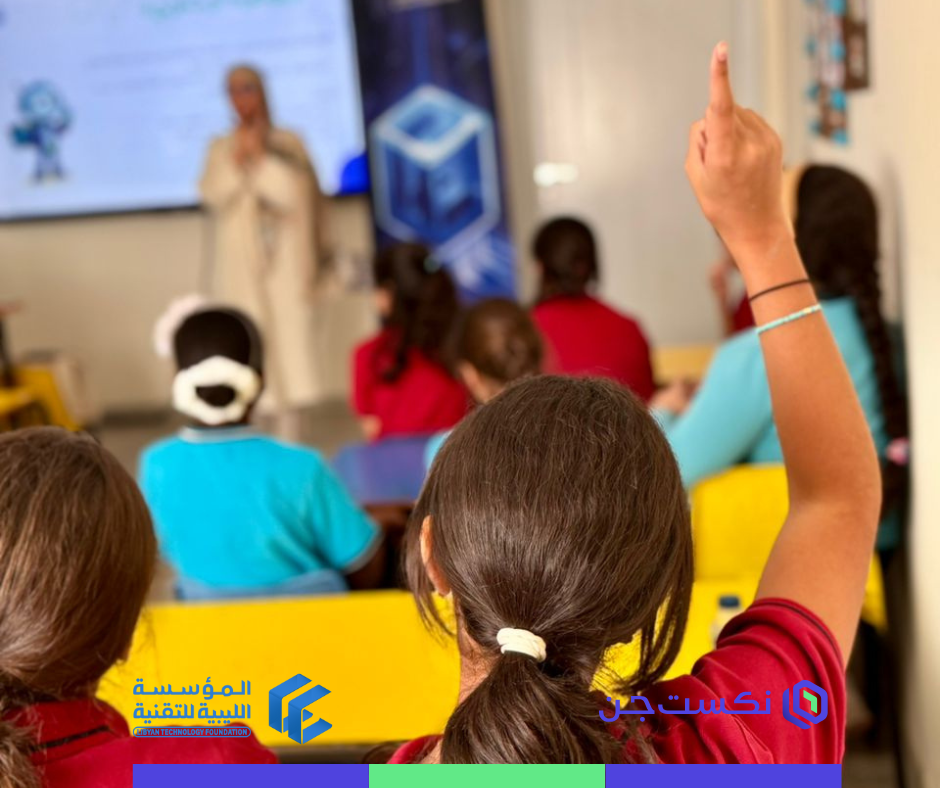
One of the most rewarding experiences has been working on NextGen, LTF’s initiative focused on children and young people.
Technology is already a significant part of children’s everyday lives. They watch videos, play games, use applications, and interact with digital platforms from an early age. Yet using technology does not necessarily mean understanding it.
What happens behind the screen? How do digital tools work? How can we protect ourselves online? And what if, instead of simply consuming digital content, we could learn to create, build, and innovate with technology?
These are the kinds of questions that make digital awareness so important.
During awareness activities, there is something particularly inspiring about seeing children become curious about things they may never have thought to question before. A conversation about online safety can lead to questions about how the internet works. A simple demonstration can open the door to a much bigger discussion about the digital world.
For me, this is what makes the experience meaningful. The goal is not only to help children navigate technology more safely, but also to encourage them to understand it, question it, and explore what they can do with it.
Curiosity may seem like a small starting point, but it can shape how young people approach technology for years to come.
From understanding users to building systems
Then comes a very different kind of work.
Instead of a room full of children asking questions, there is a laptop, a set of requirements, and a series of decisions that need to be made before a digital platform can take shape.
Working on a national transparency platform has introduced me to the importance of looking beyond the interface and understanding the system behind it.
What information does the platform need? How should data be organized? Who should be able to access specific information? What should different users be allowed to do? How can the system present information clearly while respecting the responsibilities and needs of the institutions involved?
These questions require more than technical knowledge. They require an understanding of workflows, users, institutional processes, and the purpose the platform is intended to serve.
A digital platform is not simply a collection of pages, forms, and databases. It is a system designed to support a process. If that process is not understood properly, even a well-designed interface may fail to address the real problem.
In the context of transparency, these decisions become particularly important. The way information is structured, reviewed, and made accessible can affect how easily people understand it and how effectively institutions can use it.
This has helped me appreciate another side of digital development: technology is not only about creating tools, but also about designing systems that respond to real needs.
The less visible side of impact
Between awareness activities and digital platforms lies another important part of the work: the organizational structures that make initiatives possible.
Working at LTF has given me the opportunity to contribute to policies, annual planning, and performance reviews. These tasks may not always be visible to the public, but they play an important role in how an organization operates.
A policy establishes direction. A procedure helps translate that direction into practice. An annual plan turns priorities into activities and objectives. And reviewing that plan helps an organization understand what has been achieved, where challenges remain, and what needs to change.
The process is rarely as straightforward as writing a document and considering the work complete. It involves asking questions, revisiting assumptions, coordinating with people, and making sure that what is written can actually be implemented.
I have come to see these activities as an essential part of building sustainable impact. Good ideas need more than enthusiasm. They need clear responsibilities, realistic plans, appropriate processes, and ways to learn from experience.
In civil society, where organizations often work across different sectors and respond to evolving needs, this ability to plan, adapt, and improve is particularly valuable.
Why these different experiences belong together
Working across these areas has changed the way I think about technology and development.
Digital awareness, institutional transparency, policy development, and organizational planning may involve different skills, tools, and audiences. Yet they share a common foundation: understanding people and the environments in which technology is used.
An awareness initiative needs to understand its audience. A digital platform needs to understand its users. A policy needs to account for the context in which it will be applied. And an organizational plan needs to reflect both the goals an institution wants to achieve and the resources available to achieve them.
None of these activities can succeed simply because the idea behind them is good. Each requires careful thinking, collaboration, implementation, and continuous improvement.
This is one of the things I value about working in a civil society organization like LTF. The work does not always fit into a single professional category, and that creates opportunities to learn from different disciplines and understand how they influence one another.
It also means that development is not always a linear process. Sometimes, answering one question reveals three more. Sometimes, a plan needs to be revised. Sometimes, the most important work happens long before the public sees the result.
And often, progress depends on connecting the technical details with the bigger picture.
From curiosity to meaningful change
When I think about a child discovering that technology is more than entertainment and the work involved in designing a platform that supports national transparency, the difference between these experiences is clear.
One focuses on building awareness and encouraging curiosity. The other involves structuring information and supporting institutional processes.
Yet both reflect the broader possibilities of digital development.
Technology becomes meaningful when people can use it to learn, solve problems, access information, and create opportunities. Reaching that point requires work at different levels: helping individuals understand the digital world, developing tools that address practical needs, and strengthening the policies and processes that support their use.
My experience at LTF has allowed me to see these different levels not as separate activities, but as interconnected parts of a larger effort.
There is still so much to learn, explore, and improve. And perhaps that is what makes this work so motivating: the opportunity to move between different challenges, discover new perspectives, and contribute in different ways to a more informed, capable, and digitally connected society.
Because digital development is not just about the technology we build. It is also about the people we empower, the systems we improve, and the possibilities we create along the way.